Why Do Children Pick Up Languages Easier Than Grown Ups?
Why Do Children Pick Up Languages Easier Than Grown Ups?
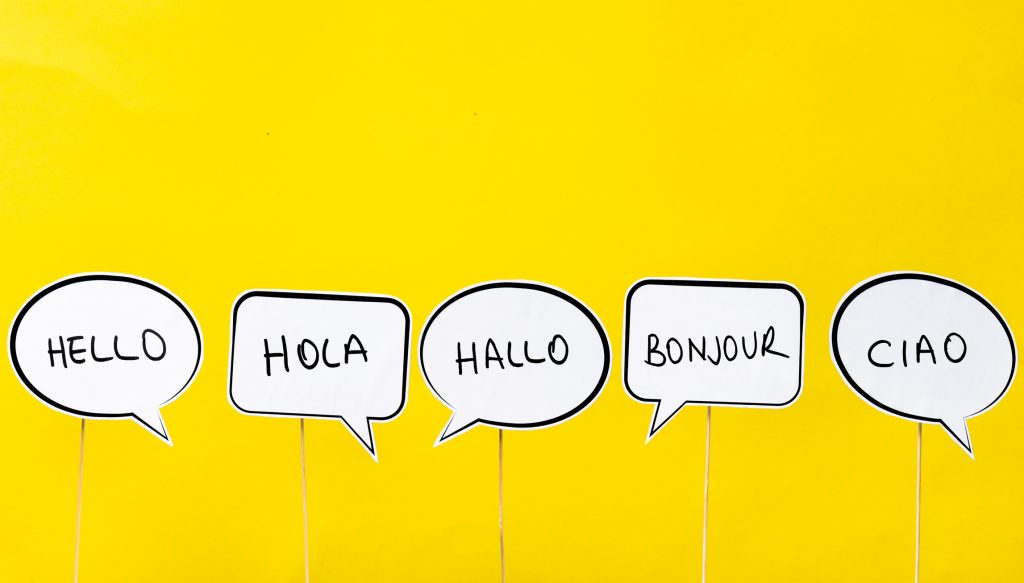
It is a common concept that children who learn multiple languages at a young age will manage to pick it up easier than adults do. Why do children seem to pick up a language easier than a grown up? How do they manage to understand and be able to process what they heard? Is it because of the multilingual environment they grow up in? Is it because of their youth that they can still retain and absorb all that language information like a sponge? Can an adult still learn a language like the way children do?
There are 3 reasons why. First of all is that children are literally a sponge for information. They learn by observing their environment, which is a very important key point in this subject. Children don’t have any other responsibilities and jobs to do other than listening, seeing and feeling their surroundings. To top it off, they are directly being immersed in an unknown situation from their perspective. To put it in an adult perspective, it’s like being moved into a different country with a whole new language to learn. At that point they won’t have any choice but to learn the language to communicate with others in that country, a direct study immersion if you would say.
Second is that children, undeniably, have a cognitive advantage for being younger. It is because of the brain’s elasticity and rapid neural formation that babies and young children are able to learn languages at a faster rate. This is sometimes referred to as the critical period.
The third and the last reason is that children lack the self consciousness that adults have.. They aren’t scared of making mistakes. They don’t feel ashamed for sounding stupid and foolish in front of others. Instead they feel proud of speaking out loud even if they’re actually wrong and they don’t feel demotivated if adults correct them. This is probably the biggest hurdle to learning a language as an adult. It will be much easier if we’re not afraid to make mistakes but to learn from them instead. Also, the expectation standard for children is much lower than for teenagers or adults. They aren’t judged like adults do, they also don’t put down or berate themselves for being incapable of learning something for a length of time. Generally there is less pressure in learning as children than adults. Inevitably it makes the learning process more natural and fun to do.
Do take note that, it is indeed easier for children to grasp a language than adults but it doesn’t mean that they pick it up any faster than adults do. They have a long time to learn a language. Since they were a baby until they reach the age of preschool. They also don’t have anything else to do other than listening to the adults in their environment while occasionally playing. Mind you, there aren’t any babies that are capable of correct and coherence speech within one year since their birth. The most they can manage is a few occasional gurgles and babble as you would say “baby talk”. Even if adults don’t even know what they are trying to pronounce, they would not berate and judge them. Most of them would humour and entertain them as well, praising and motivating them for their incomprehensible babbling. Encouraging them to imitate the correct way of speaking and pronouncing words.


Comments
Post a Comment